May 22, 2026
The expanding urban canopy represents a vital component of modern city planning and environmental health. Green spaces provide essential shade, improve local air quality, and boost property aesthetics. However, nature requires continuous management to coexist with concrete infrastructure. Unchecked branch growth leads to hazardous conditions for pedestrians and vehicles. To maintain this delicate balance, municipalities and private homeowners rely on the expertise of professional tree services.
As arboriculture gains broader recognition as an essential civic necessity, employment within the sector booms. Arborists, ground workers, and heavy machinery operators find abundant opportunities in every climate zone. Property owners realize the paramount importance of hazard prevention before a severe disaster strikes. Men and women entering this dynamic profession discover long-term career stability. With expanding urban boundaries, the need for skilled tree managers shows no signs of fading.
Exploring the Drivers of Urban Expansion
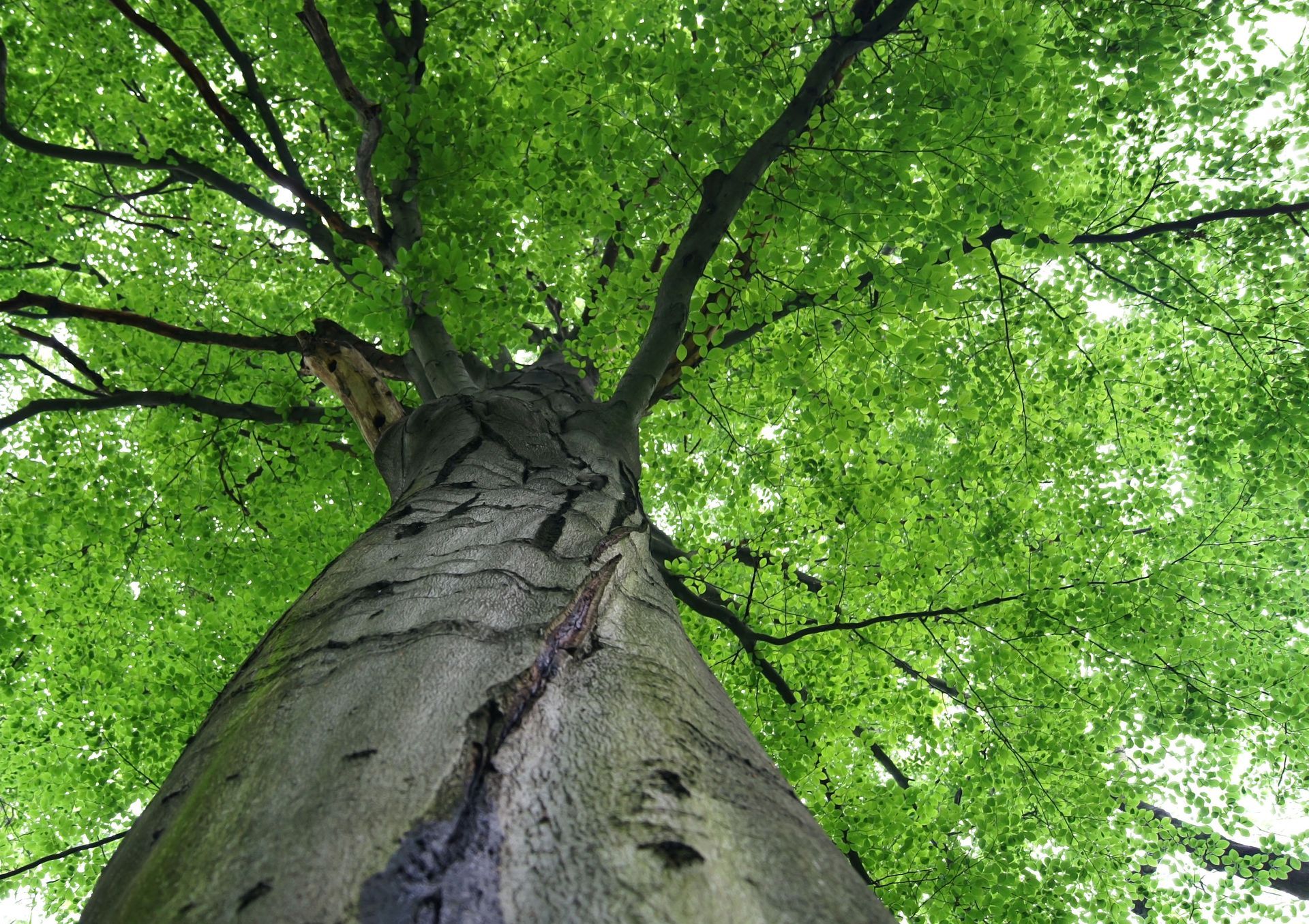
Suburbs continue to grow into surrounding wild and forested areas. New housing developments require extensive land clearing before construction begins. Discerning homeowners value mature oaks and maples for their aesthetic appeal and natural cooling properties. Preserving these green giants takes distinct technical expertise. Canopy specialists assess root structures, soil vitality, and structural integrity to ensure huge specimens survive intense construction stress.
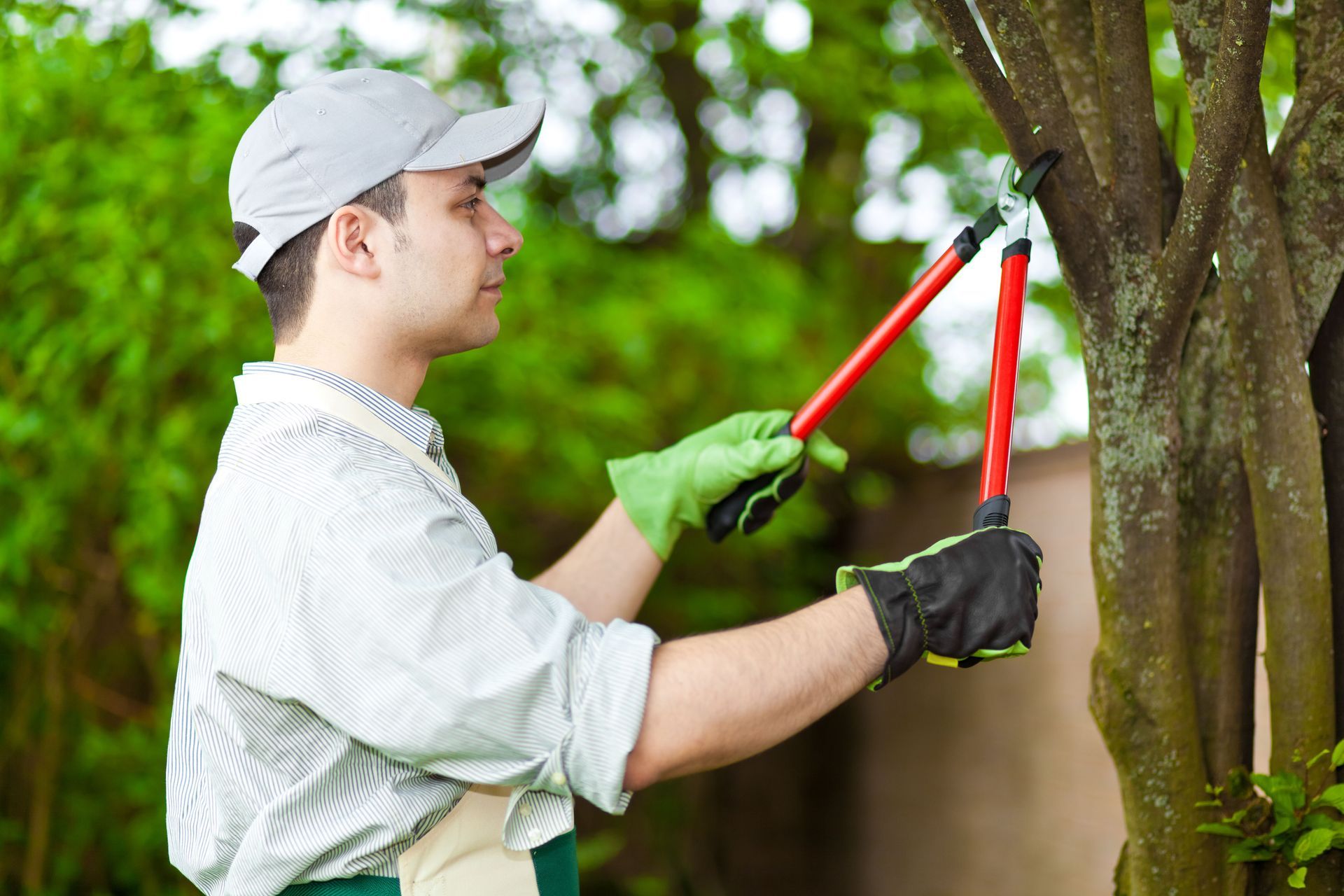
Municipal authorities plant countless saplings to cool paved streets and combat the urban heat island effect. Time passes, and these saplings stretch heavy branches over residential rooftops. Subterranean roots push up concrete sidewalks, creating dangerous trip hazards. Professional tree care mitigates this damage while preserving plant health. Reliable arboriculture crews provide the necessary pruning to keep civic pathways safe, keeping vegetation teams employed across all seasons.
Unmanaged branch growth threatens vulnerable regional power line networks. Falling limbs cause widespread neighborhood blackouts and pose severe fire risks. Utility companies contract immense fleets of dedicated vegetation management crews for regular clearance work. Line clearance trimmers receive specific safety training to operate machinery near high-voltage wires. Their everyday physical efforts keep the electrical grid functional across vast rural and suburban territories.
As regional populations shift, expansive housing developments swallow rural boundaries. Managing this critical wildland-urban interface demands specialized, rugged logging crews. Workers secure perimeter hazard zones by removing dead or diseased timber near residential borders. This crucial preventative work reduces the ambient fuel available for potential wildfires. The ongoing expansion of human habitats guarantees steady, lucrative work in challenging natural terrain.
Analyzing the Impacts of Climate Shifts
Changing global weather patterns bring unpredictable, fierce storms to dense, populated regions. High-velocity winds snap healthy trunks and scatter dangerous debris across major highways. Heavy winter snow burdens evergreen branches to their breaking point. Affected communities require immediate debris removal to restore basic civic functions. Certified arborists deploy with heavy-duty machinery to dismantle fractured timber and restore order to chaotic streets.
Prolonged seasonal drought conditions weaken deep root systems across vast geographic areas. Invasive insects invade the stressed bark of these vulnerable plants, hastening the internal decay process. Dead standing wood becomes a severe falling hazard in crowded public parks. Concerned citizens hire local tree services to handle these impending dangers before heavy trunks collapse onto fragile roofs. Proactive removal forms a major, consistent revenue stream.
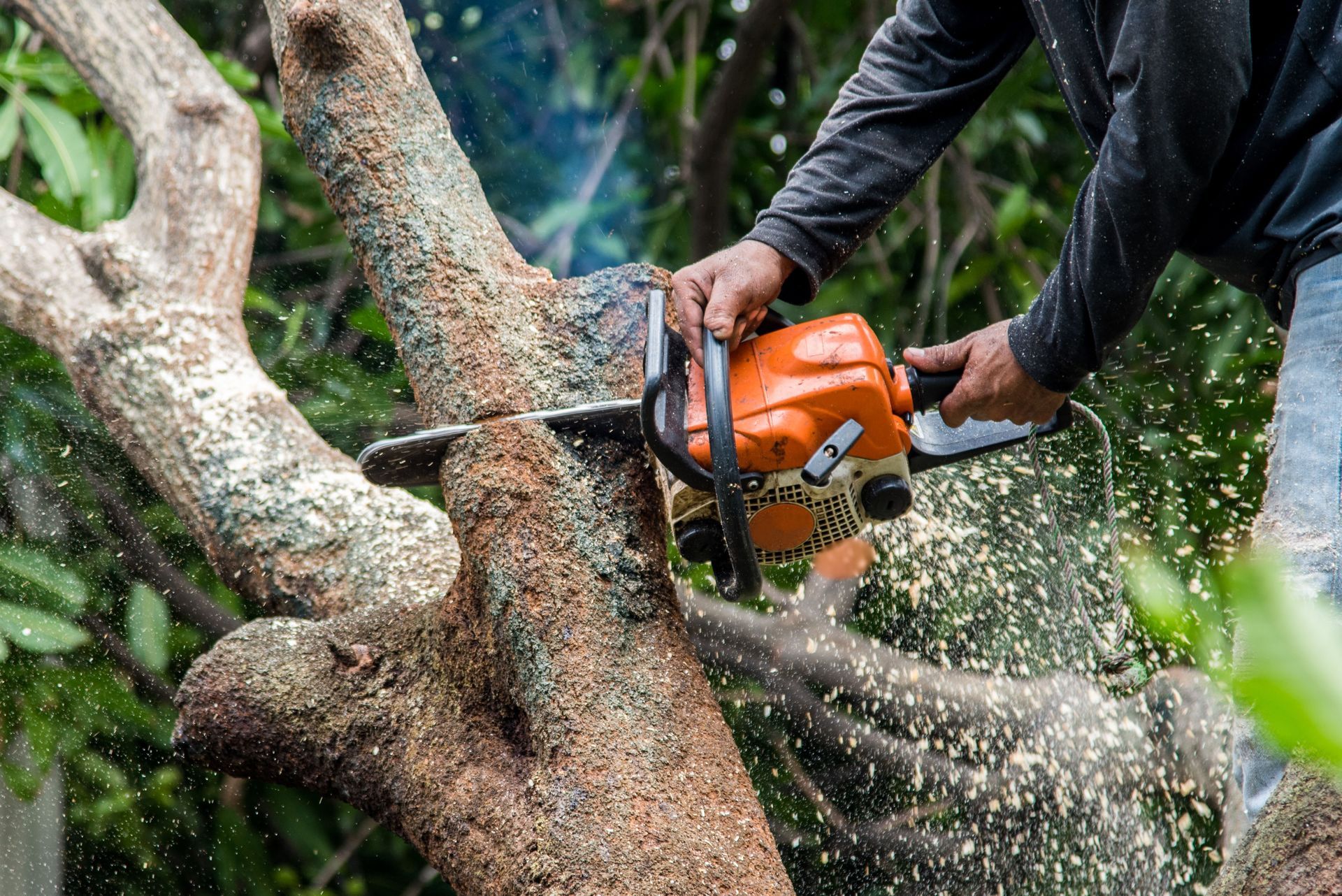
Post-storm environmental cleanup requires massive amounts of organized, skilled manpower. Heavy chainsaws echo through shattered timber hours after the dark clouds part. Response crews work exhaustive, demanding shifts to clear impassable public roads and stabilize leaning trunks. Emergency disaster response forms a vital portion of the modern job market. The sheer volume of work following a massive hurricane can sustain a business for entire seasons.
Preventative architectural pruning saves valuable property from catastrophic storm damage. Strategic thinning of the upper canopy allows high winds to pass through without catching branches like a sail. Smart property managers invest in proactive routine maintenance to avoid costly future insurance claims. The perpetual cycle of extreme weather events ensures ongoing work. Regular tree services keep skilled crews busy during calm, sunny months.
Understanding the Needs of Infrastructure
Paved asphalt roads and complex highways require clear vehicular sightlines for safe public navigation. Overhanging green vegetation obscures important traffic signals and painted pedestrian crosswalks. State departments of transportation mandate specific lateral clearance margins to prevent tragic vehicular accidents. Government agencies release lucrative funding contracts for ongoing roadside clearing projects. Workers spend their days suspended in fiberglass buckets, removing obstructive, heavy limbs above rushing highway traffic.
The sheer volume of manual labor required to maintain modern civic infrastructure drives significant industry expansion. According to WifiTalents, 4.0% annual job growth is projected for tree trimmers and pruners during the decade ending in 2032. As older, experienced workers retire from the active field, commercial companies scramble to recruit fresh, eager talent to fill mounting vacancies. Dedicated training programs help bridge this critical labor gap.
Crucial underground utilities face grave physical threats from unmanaged, aggressive root systems. Deep taproots seek ambient moisture, infiltrating subterranean municipal water pipes. Removing huge surface specimens prevents catastrophic neighborhood sewer collapse. Urban city planners consult commercial tree services during complex street redesigns to mitigate future underground conflicts. Selecting the proper species for tight concrete sidewalk planters prevents future structural sidewalk damage.
Fragile telecommunication cables string across countless sprawling suburban backyards. Uninterrupted public internet access depends on clear, unobstructed aerial wires. Ground disposal crews chip heavy brush and haul heavy logs, leaving neat, safe paths beneath communication lines. Every new residential neighborhood subdivision means more miles of vulnerable copper wire to protect. Delicate fiber optic networks demand stricter, precise clearance tolerances from falling debris.
Reviewing the Advances in Equipment
Specialized climbing gear sees constant technological innovation to improve worker comfort. Lightweight synthetic harnesses reduce chronic physical strain on the human body. Ergonomic, balanced chainsaws mitigate muscle fatigue during long, demanding shifts. Better modern tools mean structural workers finish complex pruning tasks with enhanced safety profiles. Modern safety equipment makes the demanding physical labor sustainable for aging, experienced employees.
Hydraulic bucket trucks reach impressive vertical heights with minimal on-site setup time. Compact aerial lifts navigate tight residential fence gates to access enclosed private backyards. Machine mechanization changes the rapid pace of heavy branch removal across the entire commercial sector. Workers maneuver intuitive control joysticks instead of scaling rough exterior bark, extending their viable career spans in a strenuous, physical profession.
Industrial diesel wood chippers process huge timber logs at great speed. Remote-controlled mechanical stump grinders tackle uneven, rocky terrain without putting human operators in immediate danger. Modern tree services utilize these powerful machines to boost everyday operational efficiency. Less direct manual lifting translates into fewer acute workplace injuries. Companies investing in heavy machinery complete larger municipal commercial bids with reduced crew sizes.
Despite advanced heavy machinery, keen human judgment remains paramount on every job site. Evaluating a rotting internal trunk requires years of hands-on experience. Choosing the proper safe drop zone takes acute, practiced spatial awareness. Electronic technology aids the modern climber, but the trained trimmer runs the complex site. Skilled, knowledgeable arborists command high hourly wages for this rare, irreplaceable expertise.
The commercial arboriculture industry offers substantial, rewarding career opportunities for eager, hardworking individuals. Ongoing public demand shows no signs of slowing down in the near or distant future. Expanding forests and sprawling concrete cities will intersect without end. Skilled outdoor professionals find rewarding, stable life paths in this essential green economic sector.
Dedicated hard work translates into a reliable, lucrative, and fulfilling livelihood.
Residential homeowners and commercial businesses must acknowledge the immense practical value of expert tree care. Attempting dangerous limb removals without proper safety training leads to catastrophic property disasters. Protect your valuable home, your manicured landscape, and your cherished loved ones from severe falling hazards. Hire professional tree services for your complex property needs to ensure safe, beautiful, and lasting results. Ensure your property remains safe and your landscape thrives by contacting M N Home Maintenance for professional tree services. Reach out today to schedule your comprehensive assessment and hazard prevention consultation.