September 29, 2026
The global real estate market is undergoing a massive transformation as owners increasingly prioritize environmental sustainability and aesthetic appeal. Around the world, residential and commercial developers are realizing that lush, mature landscapes add unparalleled value to their portfolios. This shifting mindset has created a ripple effect across secondary industries connected to property maintenance. Consequently, outdoor aesthetics are no longer an afterthought, but a fundamental component of strategic property management.
As urban areas continue to sprawl and concrete structures dominate cityscapes, the preservation of natural greenery has become a top priority for municipal planners and private homeowners alike. People are seeking refuge from the hustle and bustle of city life within their own shaded, tranquil backyards and community parks. This rising demand for pristine green spaces has fueled an unprecedented surge in professional tree care services across the globe. Maintaining these majestic plants requires specialized knowledge that goes far beyond basic gardening or lawn mowing.
The financial trajectory of this industry clearly illustrates just how rapidly property trends are reshaping the market landscape. According to Times Herald, the industry's market value climbed from $1.3 billion in 2024 to $1.49 billion in the following year, with projections indicating it will soar to $2.5 billion by the year 2031. This astonishing growth underscores the vital role that arboreal management now plays in global real estate strategies. Investors and owners are clearly willing to spend substantial capital to ensure their natural assets are properly maintained over time.
Maximizing Property Values With Mature Greenery
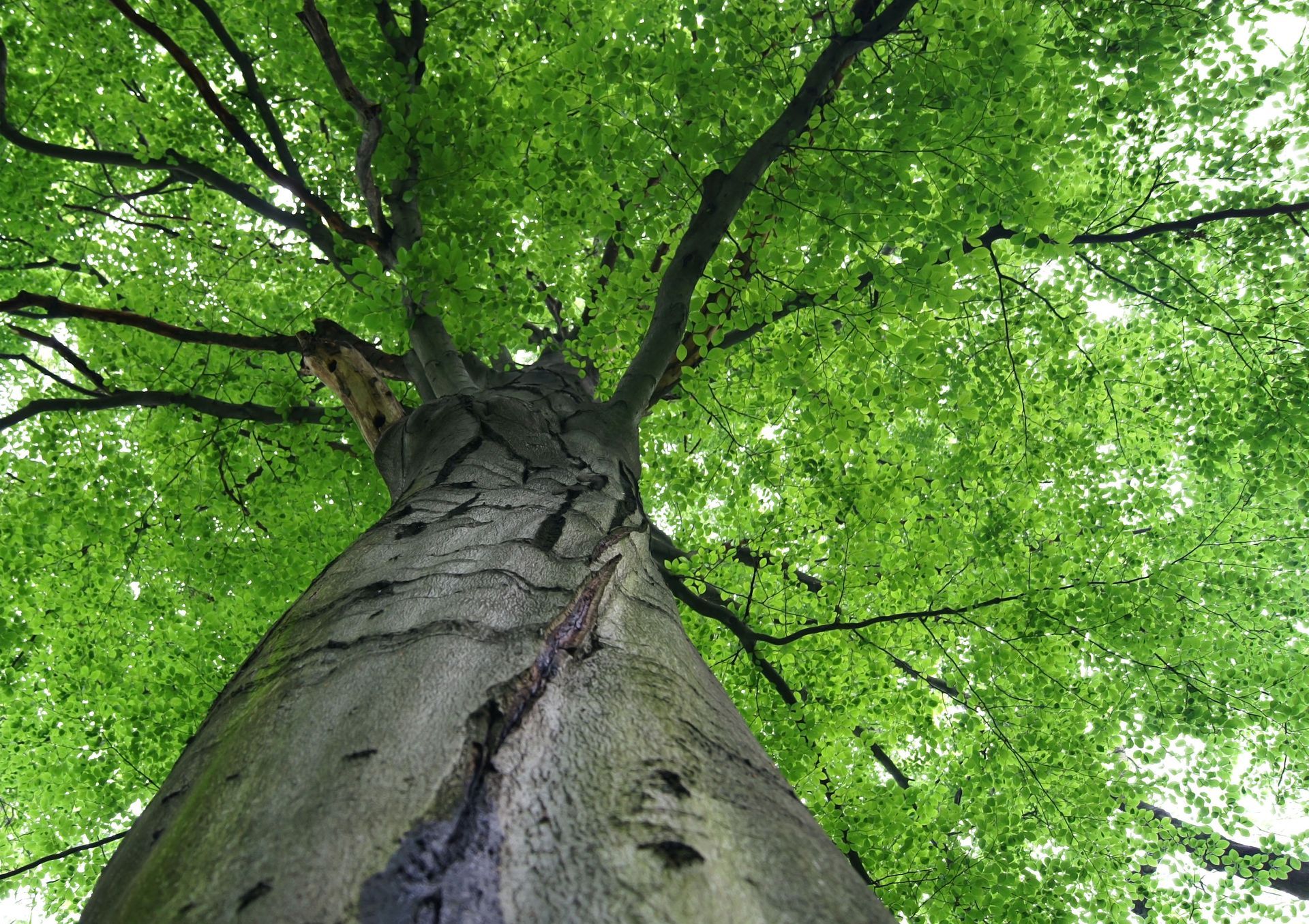
Real estate agents and property appraisers have long understood that a well-maintained landscape significantly boosts the curb appeal of any building. When potential buyers arrive, the towering oaks or elegant maples framing the entrance immediately create a lasting positive impression. Because these natural features take decades to grow, their presence instantly signals that the property has an established, prestigious history. Consequently, investing in regular tree care has become a standard recommendation for anyone looking to maximize their return on investment.
Beyond mere aesthetics, robust root systems and expansive canopies provide tangible financial benefits that savvy property investors simply cannot ignore. Large shade producers can drastically reduce summer cooling costs by blocking direct sunlight from hitting rooftops during the hottest hours. During winter months, strategically positioned evergreens act as powerful windbreaks that significantly lower heating expenses for entire buildings. By leveraging consistent tree care, property owners optimize energy-saving benefits while simultaneously extending the lifespan of exterior building materials.
Mitigating Structural Risks and Liability Concerns
While beautiful vegetation undoubtedly enhances a property, neglected branches and diseased trunks introduce severe risks that can quickly become financial nightmares. Overgrown branches extending over roofs, power lines, and pedestrian walkways pose a constant threat of catastrophic property damage or tragic personal injury. High winds and severe thunderstorms can easily snap weakened limbs, sending heavy debris crashing onto whatever structures lie directly beneath them. For this reason, proactive tree care is considered an essential risk management strategy by insurance companies and property managers across the globe.
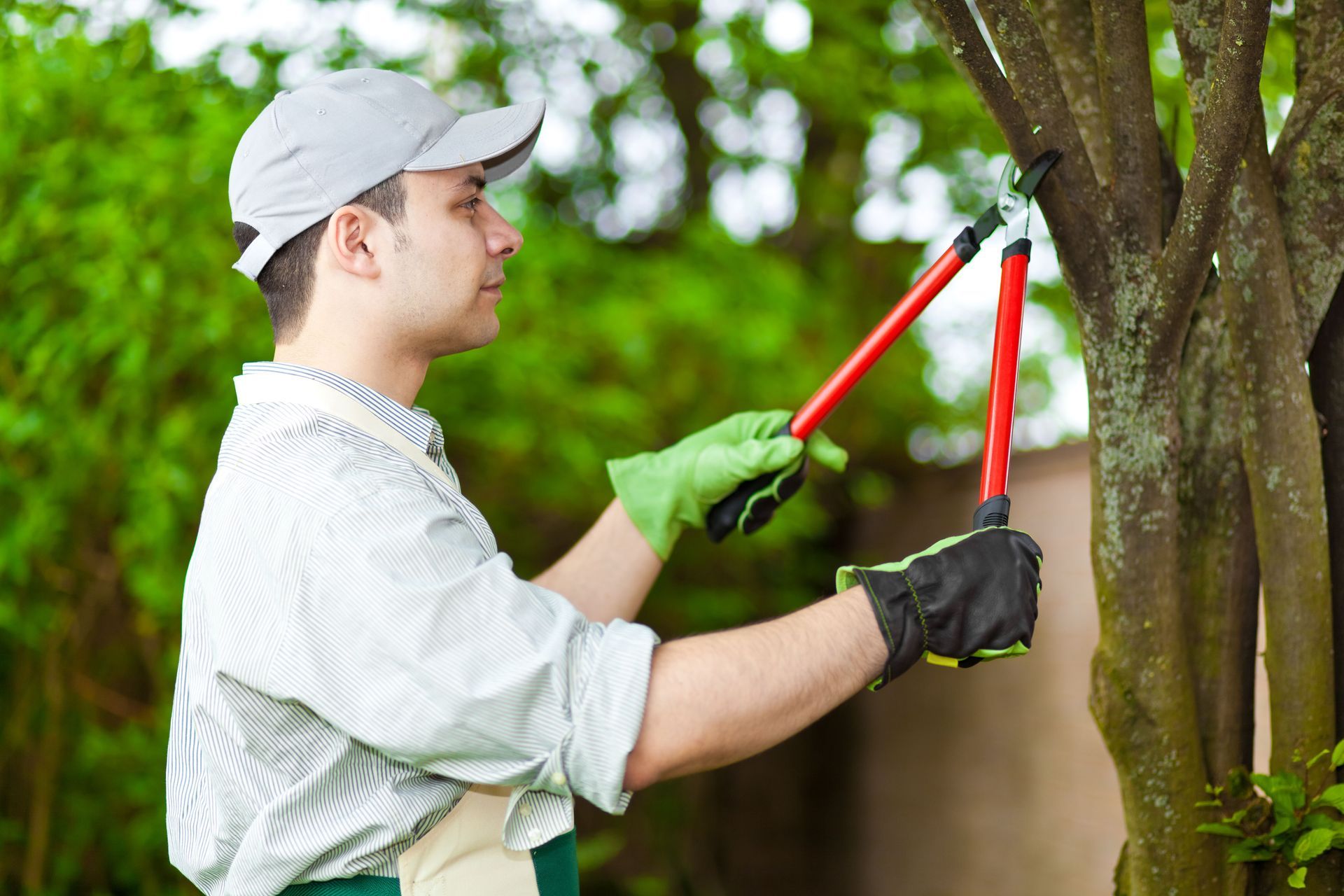
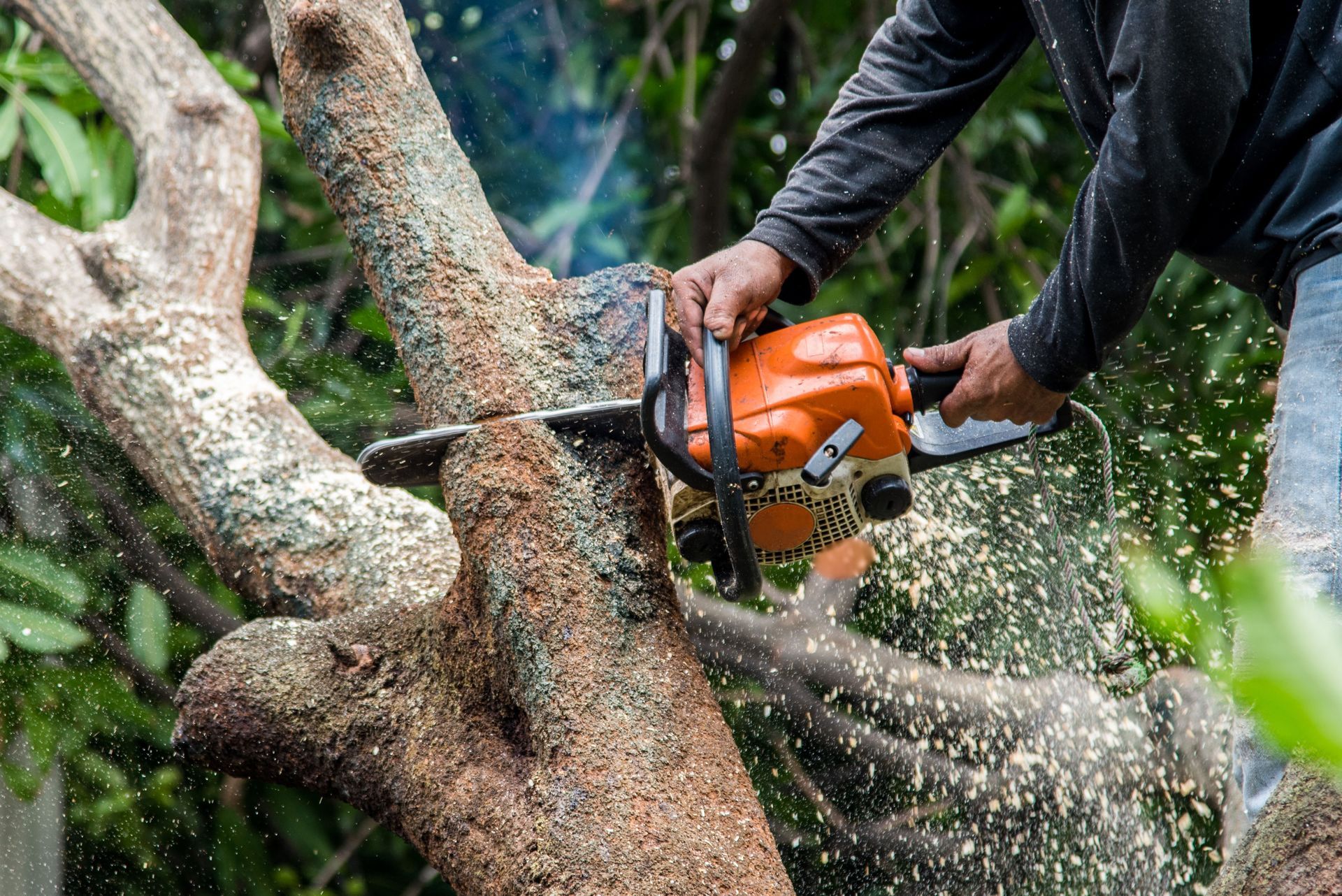
Identifying potential hazards before they escalate into emergencies requires the trained eye of certified professionals who understand complex arboreal biology. Arborists utilize advanced diagnostic tools to detect internal decay, fungal infections, and root instability invisible to the average homeowner. Once a vulnerability is accurately identified, experts can implement targeted interventions like strategic pruning or bracing to stabilize the specimen. If a trunk is deemed too dangerous to save, methodical removal procedures are executed to safely eliminate the threat entirely.
Liability mitigation is crucial for commercial entities and municipal governments that oversee vast networks of public green spaces. A falling branch in a bustling public park or crowded parking lot can result in devastating lawsuits and reputational damage. Routine property audits conducted by licensed arborists help establish a verifiable track record of responsible environmental stewardship and hazard prevention. By maintaining detailed records of consistent tree care, organizations can legally demonstrate that they have diligently fulfilled their duty of care.
Adapting to Climate Change and Extreme Weather
The increasing frequency and intensity of global weather anomalies have forced property owners to radically rethink their approach to landscape resilience. Prolonged droughts, unprecedented heatwaves, and torrential downpours are placing immense stress on natural habitats that were previously accustomed to much milder climate conditions. As these immense environmental pressures mount, regional vegetation becomes highly susceptible to opportunistic pests and devastating diseases that can decimate local ecosystems. Consequently, property owners must adopt highly responsive maintenance strategies to help their natural assets survive in a rapidly changing world.
Water scarcity has emerged as one of the most pressing challenges for maintaining vibrant landscapes in regions historically prone to severe droughts. Arborists are increasingly tasked with designing innovative irrigation strategies and applying specialized mulching techniques to maximize moisture retention around vital root zones. Furthermore, selecting and planting drought-resistant species during new real estate developments has become a crucial element of proactive landscape planning. These adaptive strategies, embedded in modern tree care, ensure that landscapes remain resilient and visually appealing even when municipal water restrictions are strictly enforced.
Conversely, areas experiencing heavier rainfall and flooding require entirely different management techniques to prevent disastrous soil erosion and root suffocation. Heavy saturation can severely destabilize the ground around large specimens, making them significantly more prone to uprooting during subsequent windstorms. Specialists must carefully monitor soil drainage and employ targeted aeration techniques to ensure that root systems can breathe and maintain their structural integrity. By actively managing these climate-induced stressors, property owners can safeguard their botanical investments against the unpredictable ravages of modern extreme weather events.
Fostering Sustainable Communities and Urban Ecosystems
Modern property development is no longer solely focused on maximizing interior square footage, but rather on creating holistic, sustainable environments. Forward-thinking urban planners are aggressively integrating green corridors and pocket parks into blueprints to combat the detrimental urban heat island effect. These verdant spaces serve as vital lungs for densely populated cities, actively filtering harmful pollutants and releasing clean, breathable oxygen. In this context, municipal tree care is fundamentally linked to improving overall public health and elevating the standard of living.
The ecological benefits of maintaining robust urban canopies extend far beyond simple air purification and localized temperature regulation. Thriving suburban and urban forests provide critical habitats and essential food sources for a diverse array of local wildlife, including migratory birds and crucial pollinating insects. When property developers prioritize the preservation of these organic habitats, they contribute directly to the broader global goal of sustaining regional biodiversity. This ecologically mindful approach to real estate development resonates deeply with modern homebuyers who actively seek out environmentally responsible communities.
Community engagement and education have also become pivotal components in the movement to foster sustainable urban ecosystems over the long term. Local governments and environmental nonprofits are routinely partnering with property management firms to teach residents about the importance of native species and proper cultivation techniques. These collaborative initiatives effectively empower everyday citizens to take an active role in nurturing the environment right in their own local neighborhoods. Ultimately, a shared commitment to ecological preservation ensures that future generations will inherit lush, vibrant communities teeming with life and natural beauty.
The intersection of global property trends and environmental consciousness has undeniably sparked a golden era for the arboricultural industry. Whether the goal is maximizing real estate valuations, mitigating hazardous liabilities, or building climate-resilient neighborhoods, the health of our outdoor spaces has never been more scrutinized. Properly nurtured greenery is no longer viewed as an optional luxury, but rather as an essential component of responsible land ownership. As developers and homeowners continue to recognize the profound economic and ecological benefits of mature landscapes, the demand for expert
tree care will only accelerate.
Maintaining this delicate balance requires the dedication and expertise of professionals who truly understand the unique needs of your residential or commercial property. Our seasoned experts are fully equipped to handle everything from routine pruning to complex emergency removals, ensuring your landscape remains safe and breathtakingly beautiful year-round. At M N Home Maintenance, we are passionately committed to protecting your valuable outdoor investments with top-tier, reliable service you can count on.